The World Health Organization (WHO) was created under the proposal of several countries on April 7, 1948, due to the concern of its members to maintain the good health of people worldwide, and also alert everyone about the main problems that can reach the world population.
Health problems have been mainly associated with environmental factors and poverty. According to WHO health should be considered in the physical, social, behavioral and ecological context and health promotion activities should be effective, and benefit from the collaboration of other sectors such as education, nutrition and the environment.
Generally speaking medical innovation, progress with basic health care and new social policies have resulted in great increases in life expectancy and the decline of child mortality.
However, poverty rates and some infectious diseases such as HIV/AIDS, tuberculosis and malaria have been a threat to health successes in recent decades.
Angola is a member of WHO and has been conducting health promotion activities, such as dwarf eradication, polio, education campaigns and combating HIV/AIDS and combating diseases such as malaria, sleep disease and tuberculosis.
Sanitation of the environment has also been a concern both of the government and civil society as a way to improve the quality of life of populations.
The Lobito Lighthouse, is an Angolan lighthouse located at the top of the cliffs on the east side of the entrance to the port and Lobito bay, in front of the tip of the restinga, north of the city of the same name, province of Benguela.
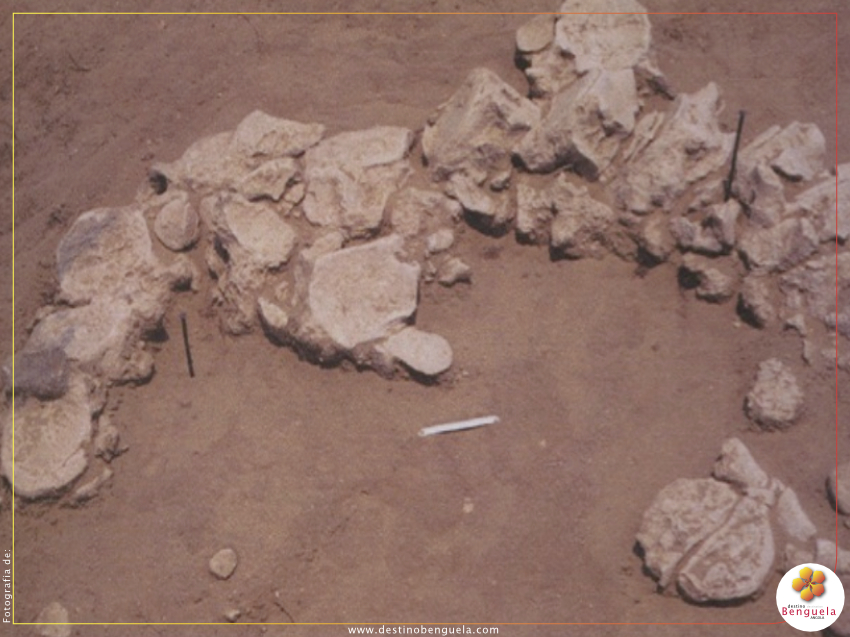
Dungo is a dry river (oued) that receives a series of tributaries, flowing into a sandy alluvial surface formed by annual discharges. These water courses over thousands of years will have made visible in various places concentrations of artefacts and cuttings probably as a result of the dismantling of carcasses of marine animals or terrestrial animals of medium and large size, such as the ancestors of ungiris or olongos (Tragelaphus strepsiceros) or even elephants, given the size of the cutting instruments. The stations were studied from the geological point of view by Dr. Mascarenhas Neto from the Angolan Geology and Mining Services in 1956, by Professor Gaspar de Carvalho who in 1960 , which collected several lithic pieces, some of which were offered to the Mendes Corrêa Museum of Anthropology in Porto. A study and publication by Dr. Carlos Ervedosa resulted in them in 1967.
Situated next to the Dombe Grande road, about 30 km from the city of Benguela, it covers an area of 150 km2, mainly constituted by an elevated plain surrounded by mountains more or less steep and with altitudes varying between 50 m
Mangroves are seen as a nursery for marine species, rainwater retention basins, and protect the seafront from erosion and flooding, among other functions.
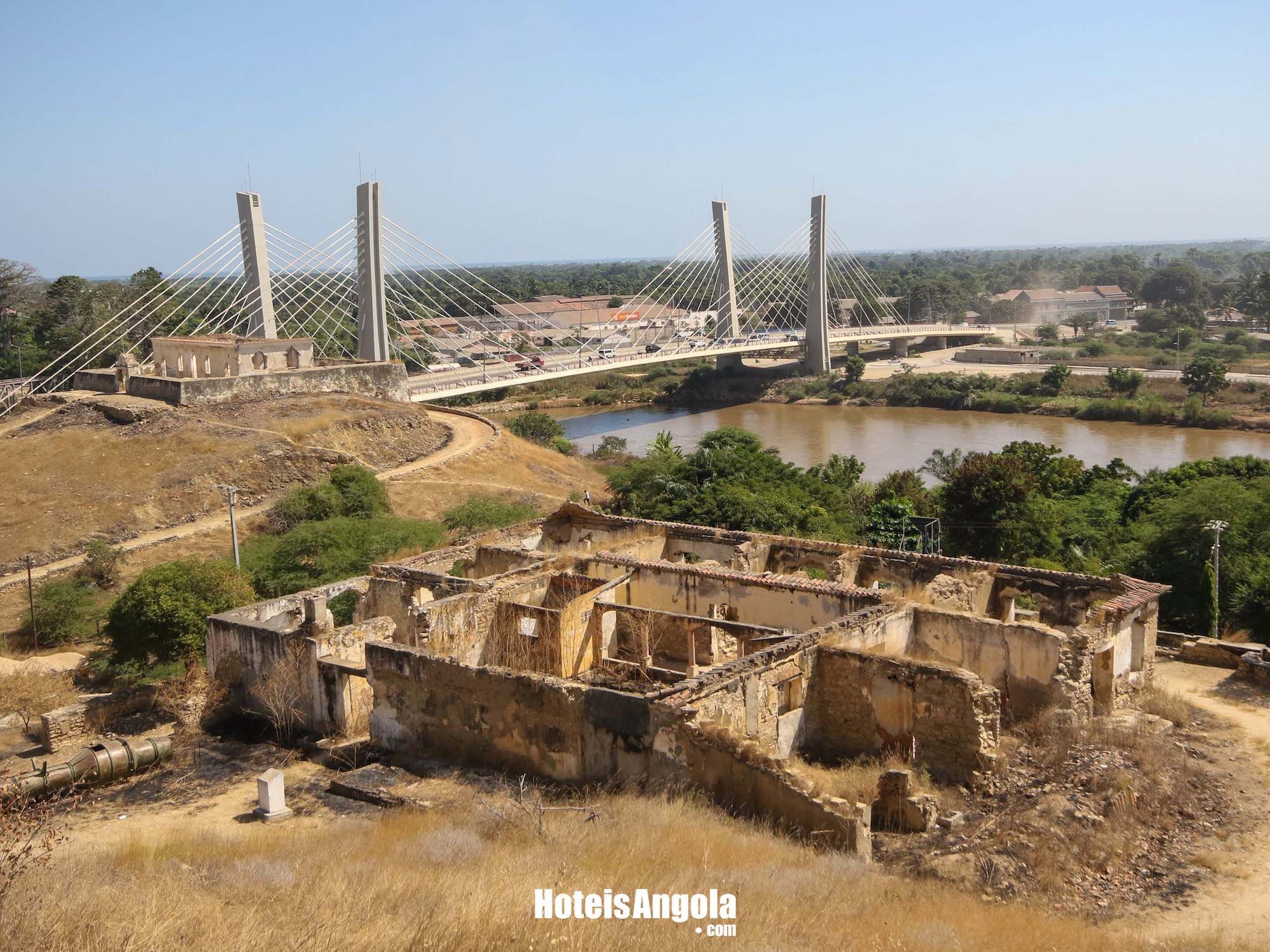
The house of the first administrator of Catumbela, often referred to in old sources such as “residence of the municipality”, stands at Morro da Catumbela, in a strategic point over the valley and the course of the river.
The Lobito Ethnographic Museum, located in the municipality of the same name, Benguela province, is a faithful portrait of the ethno-cultural diversity of the people of Angola, as evidenced by the composition of its museum collection.
In the heart of the Lobito Commercial Zone, in front of the emblematic garden of the National Bank of Angola, a space designed for those who enjoy more than just a coffee.
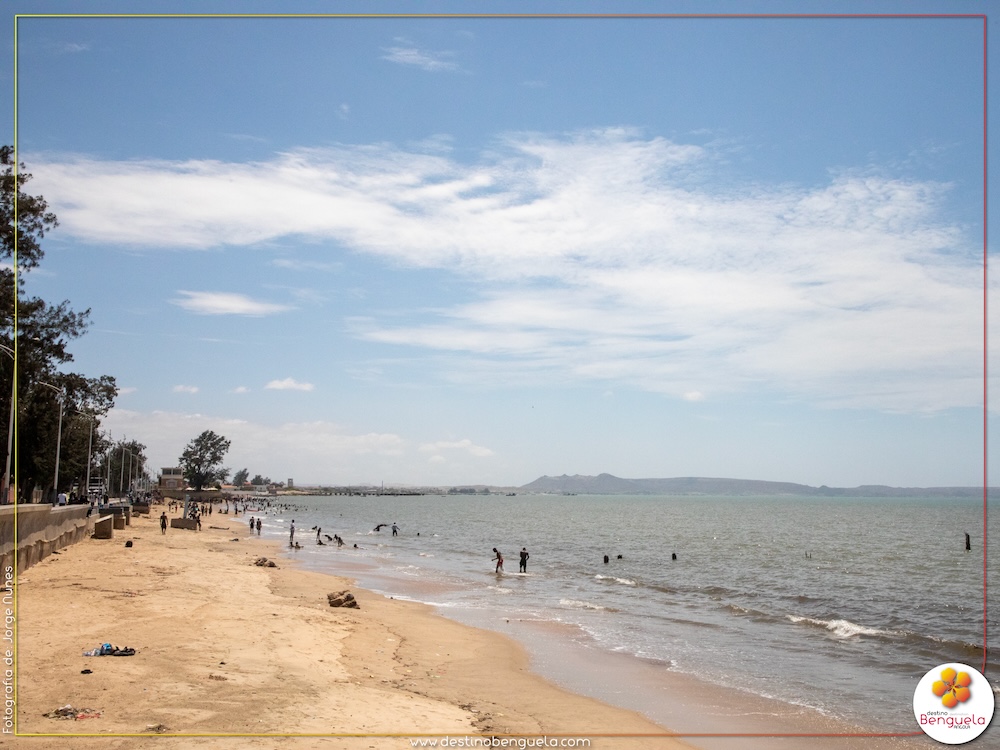
The Alfa Beach bar is a tourism icon in the city of Lobito, Angola. Located on the seafront, it is known for its hospitality and ability to welcome tourists who visit us. With the aim of serving customers in the best way, it has a roadside location;













 English
 Português