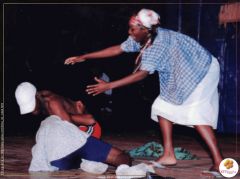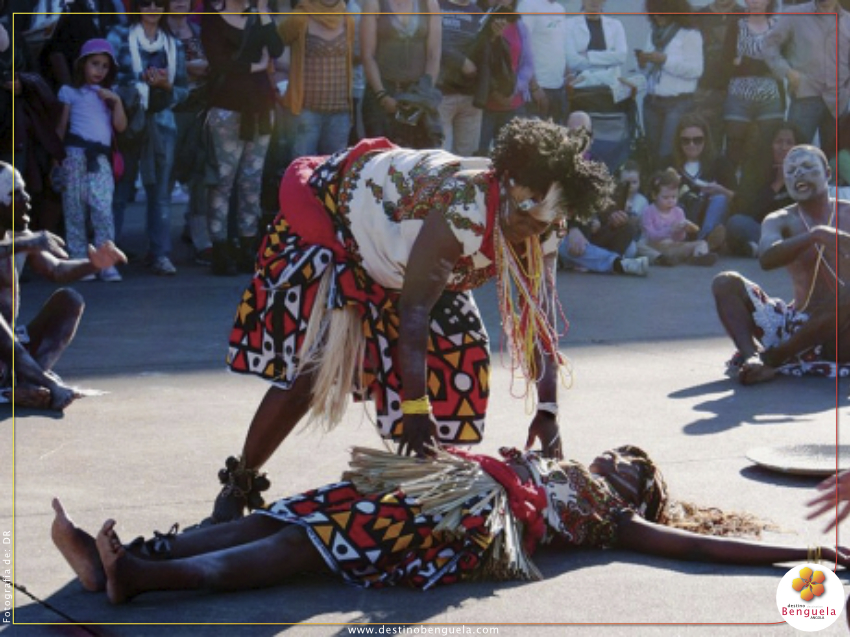
The group, which performed for the first time in Brazil and has been in São Paulo since the weekend, presented, in the show, the “poetry” of Angolan rhythms, in an exhibition based on rural choreographies, folk and heritage dances of the Ovimbundu people.
At the end of the performance, the group also performed with a percussionist of Brazilian African descent, which resulted in new sounds and a fusion of traditional styles.
The performance of the two collectives aroused the public's curiosity.
The person responsible for the Angolan group, Deolinda Trindade, considers the exchange an “open window” for the creation of new cooperation agreements and a good opportunity to better promote Angolan culture, as well as encouraging rapprochement between Africans and people of African descent.
During their stay, he said, Bismas das Acácias will also participate in debates and seminars on traditional African dances, with emphasis on Angolans. “We have scheduled free art workshops for those interested in learning more about Angolan dances”, he explained.
Promotion.
The coordinator of the Raízes collective, Issaka Mainassara Bano, said that, so far, they have managed to comply with the festival's assumptions.
“Sociocultural activities have been a uniting factor during Black Consciousness Month”, he said, in addition to thanking the participants for helping to strengthen cultural exchange.
The festival, he continued, is a space created, also, as a way of encouraging interaction between Africans and Brazilians of African descent.
“It is necessary to reinforce the dialogue between these two peoples, separated by slavery, but whose contribution helped to elevate other cultures.”
Diversity
Brazilian capoeira master Luana Bernardes, who held an exhibition of some artisanal cosmetic products, drew attention to the importance of creators being more diverse and “able to work with whatever they have at hand” .
The artist, who recognized the importance of the festival in valuing the cultural richness of Africans and Afro-descendants, also called for greater respect and preservation of the identity traits of each one of the invited countries, as a way for them to keep alive the customs that differentiate them from other peoples, on a multicultural continent, such as Africa.
In turn, the coast -Ivorian Asuan Ologuin, who works with aesthetic accessories for feminine beauty, presented several products linked to this sector, highlighted the importance of reinforcing cultural unity among Africans, as a way of better exploring and showing the “ethnic richness of the cradle continent”< /p>
Source: Jornal de Angola
 English
 Português