According to José Francisco Ferreira, who spoke at the first forum about the municipality's socioeconomic potential, the riches of Baía Farta are not they just boil down to fish and salt.
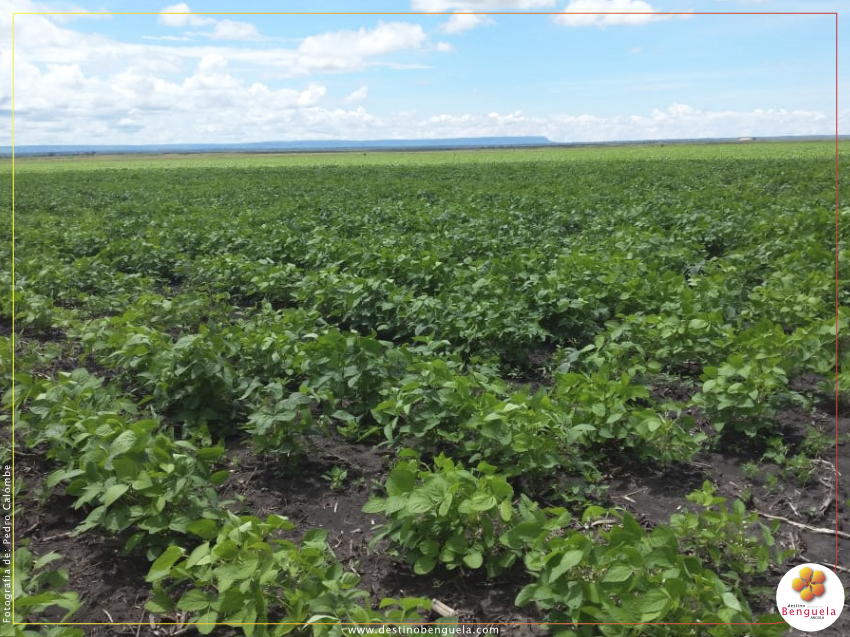
"We have arable land that, if well exploited, can help with agricultural development and job creation for the benefit of local families," he emphasized.
Using history, he made it known that the commune of Dombe Grande once had large sugarcane plantations and produced sugar.
In Caloanga, 120 kilometers from the municipal headquarters, bananas were produced and exported to Portugal, through the Vale do Cavaco association, and livestock farming also had great importance, according to the administrator.
"Often, the tomatoes and vegetables that fill Luanda's markets come from the Equimina commune", he highlighted.
In relation to tourism, he made reference to the Chimalavera natural reserve, where there is a variety of animal species, in addition to beautiful beaches such as Baia Azul, Caotinha and others that need support structures for the development of the sector.
Regarding the current state of fishing activity, it is the opinion that there should also be greater investment, despite the fact that at the moment it is the local industry that contributes most to the State's revenue.
During the two-day forum, organized by the local administration in partnership with Katyavala Bwila University, a protocol was signed between the two entities, where the former will facilitate curricular internships in various areas and the academic institution will assist in monitoring goals for execution of municipal projects.
Municipal administrators, managers, magistrates, academics, businesspeople and other guests were present at the event.
Baia Farta, with a territorial extension of six thousand and 744 square kilometers, is one of the ten municipalities in the province of Benguela, with an estimated population of 118 thousand and 926 inhabitants.
Source :Angop English
 Português