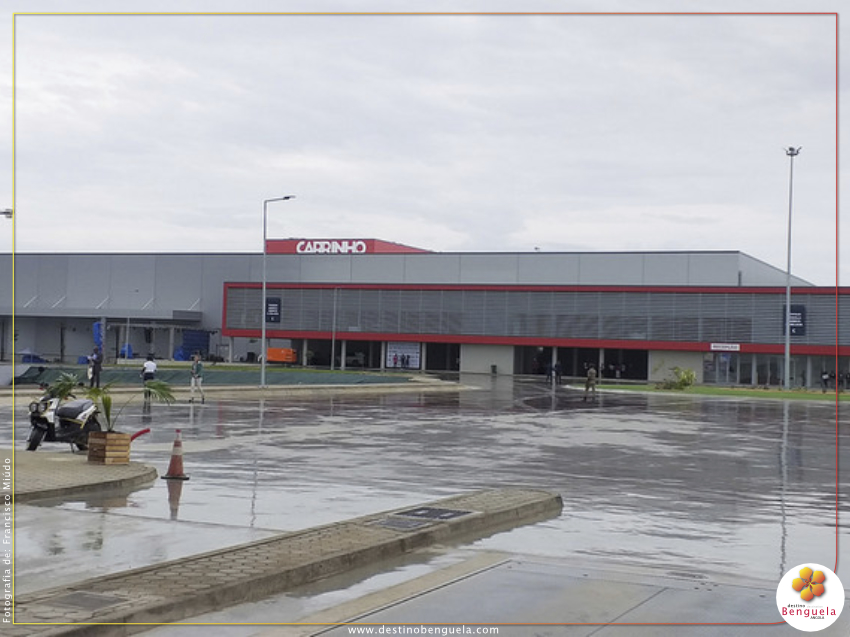
In statements to Angop, Leopoldo Muhongo justifies his statement based on the fact that the complex houses 17 manufacturing units, locally producing food and hygiene products of various types.
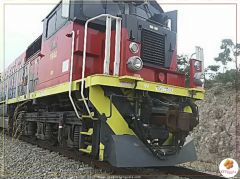
The vice-governor also added that this industry will revitalize the activity of the Benguela and Porto Railway, giving more life to the Lobito Corridor.In the opinion of economist Carlos Rosado de Carvalho, the country needs this type of industry to diversify its economy and generate more jobs.
“However, the State must improve the water supply system energy and water so as not to lack and also access, which is not yet in perfect condition”, he highlighted.
Carlos Rosado also made a point of highlighting that importing material -raw materials and transforming the product locally is already a step, but consider that the challenge lies in the capacity of local production of raw materials to supply the factory.
“ This type of industry needs large quantities of raw materials uninterruptedly and I do not believe that our producers have the capacity to respond at least in this start-up phase”, added the economist.
Businessman Octávio Pinto thinks it is necessary to have this type of industry so that peasants know where to sell their products and prevent various quantities from being spoiled as has been happening in recent times.
“This situation will encourage some young people to return to the fields, because they know there will be a return, instead of concentrating in cities to do work by motorcycle taxi, for example, without knowledge of the highway code and causing accidents.
The amount invested in Carrinho Indústria, inaugurated this Saturday by the President of the Republic, João Lourenço, is valued at 600 million dollars Americans, financed 70 percent by the company Paramount Energy SA, based in Switzerland, 30 percent by own capital and 10 percent by Banco Keve.
The venture will provide approximately of a thousand jobs, 90 percent of which are filled by national staff, with the prospect of processing 100 thousand tons of various products per month, including basic food products.
Source: Angop
< br>
 English
 Português